What connects ancient animal-skin wraps to ultra-fine, elastic nylon? You’re right — tights. Originally, they were designed simply to keep warm and, for a long time, were an exclusive element of the male wardrobe. Over time, however, they became one of the most discussed details of women’s fashion — and a symbol of freedom.
19.01.2026
The Evolution of Tights
From Cave Fashion to Egyptian Textiles
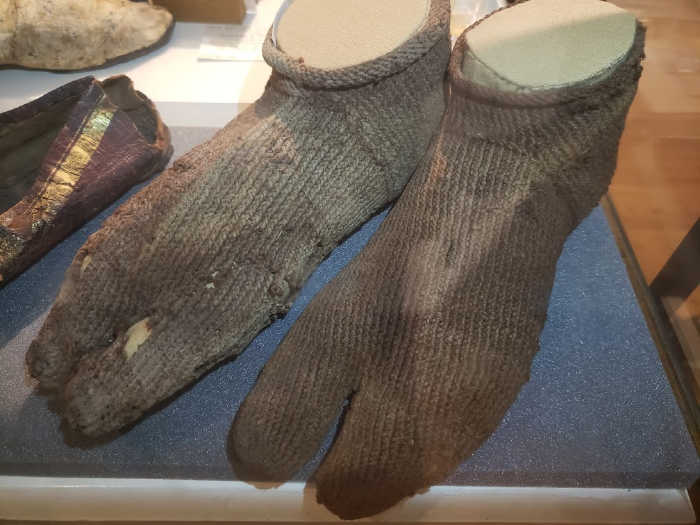
According to archaeological evidence, the earliest prototypes of tights were worn by cave dwellers as early as the Stone Age, around 160,000 years ago. They would wrap animal skins around their legs and secure them at the ankle for warmth. By the first millennium BC, ancient Egyptians had already elevated this wrap above the ankle, taking an early step towards a more refined and intentional garment.
From the Greek Pilos to the Roman “Stocking”
The concept of tights continued to evolve in ancient cultures. In the 8th century BC, the ancient Greeks created the pilos — a leg covering made from animal hair, worn with sandals. The ancient Romans went even further in developing foot coverings: by the 1st century AD, they had begun producing coarse socks made from leather strips.
The Antinoöpolis Discovery and a Symbol of Luxury
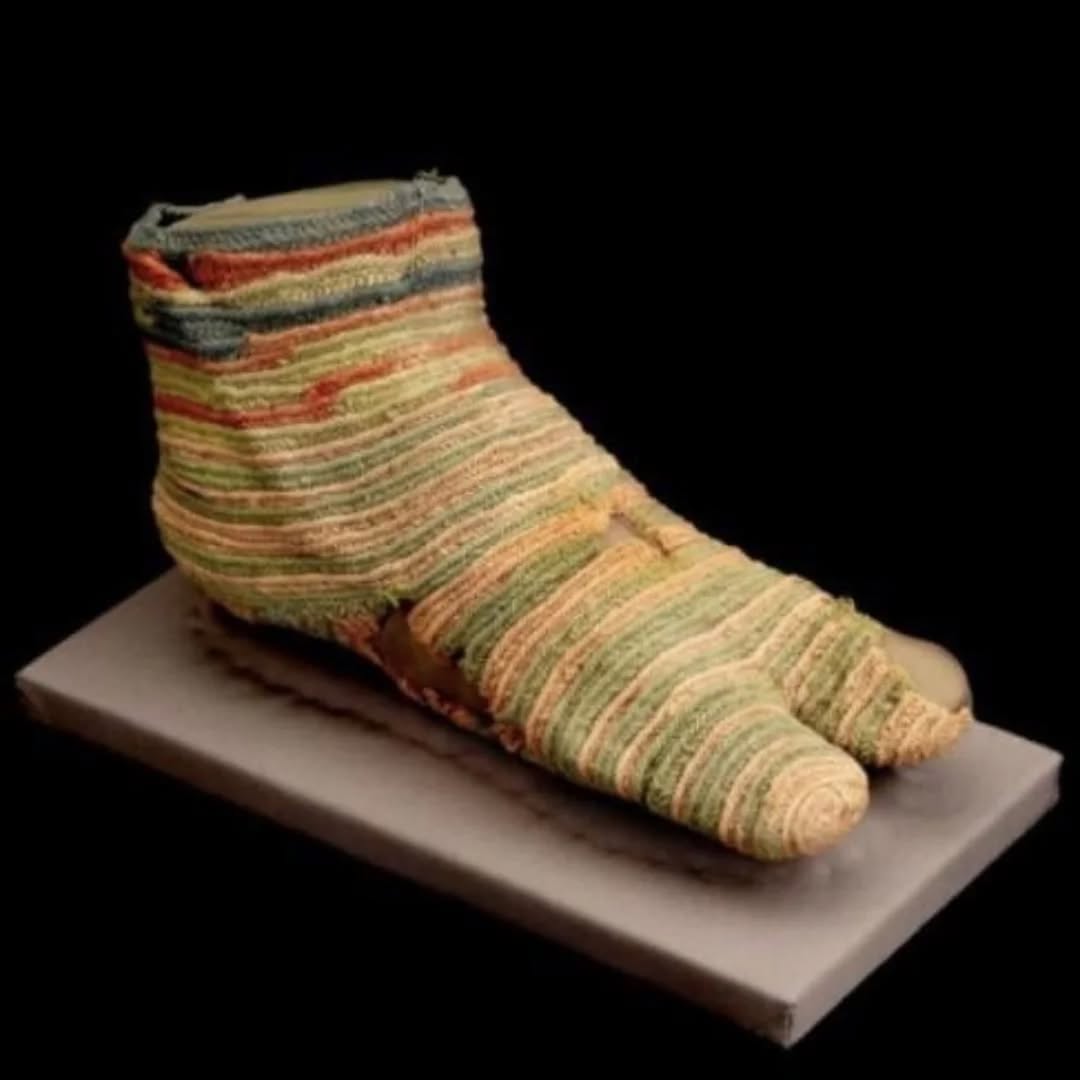
The earliest complete pair of socks dates back to around AD 500. It was discovered in one of the tombs of Antinoöpolis, Egypt. These socks were knitted from wool, featured a shaped heel, and had a drawstring fastening at the top. It is believed that in the pre-industrial era, producing such socks required an exceptionally long and time-consuming process, which is why similar garments were worn only by the wealthiest members of the nobility.
Միայն տղամարդկանց համար
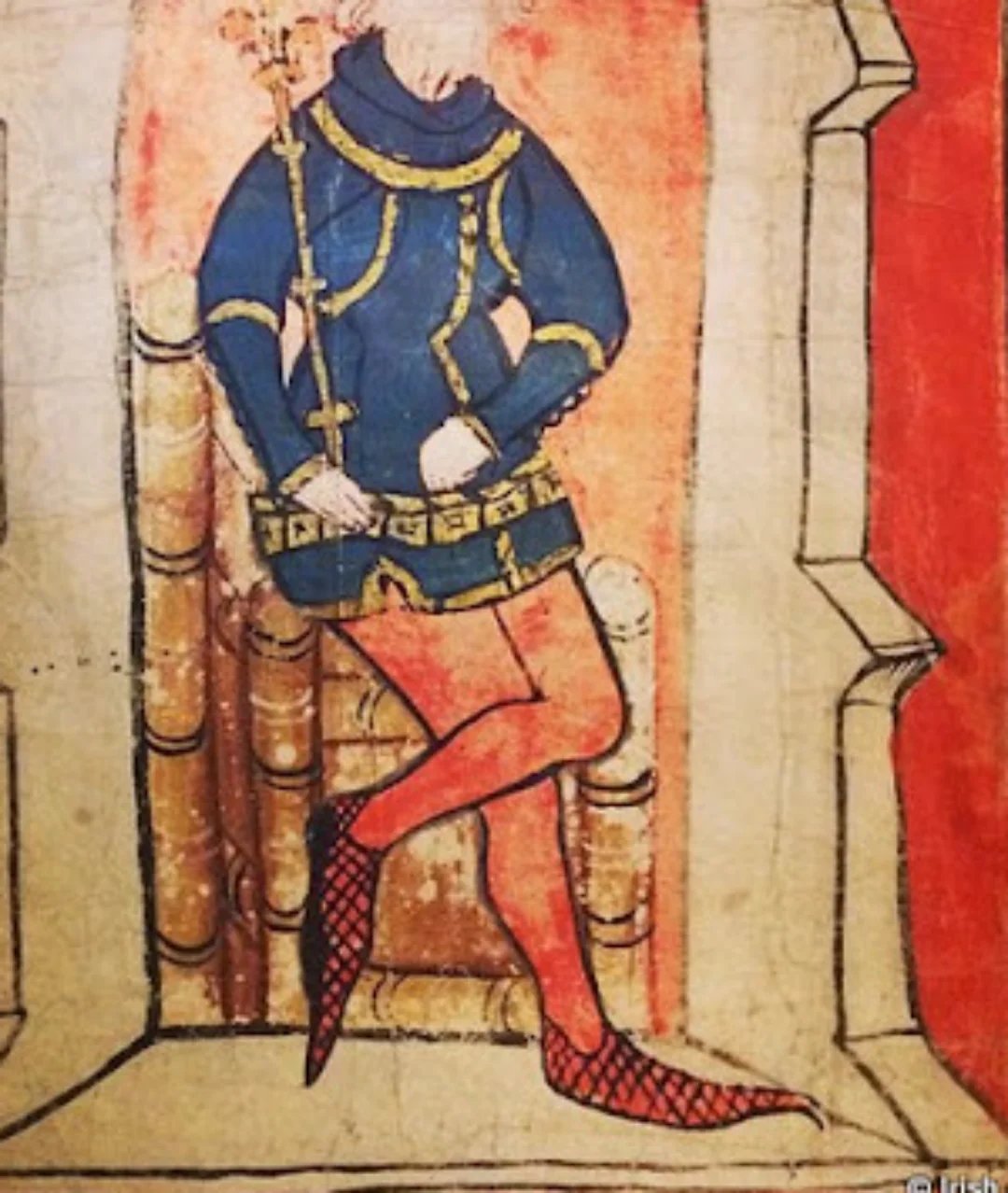
Մեր պատկերացրած զուգագուլպաների իրական հանրայնացումը սկսվեց Միջնադարում։ Այդ ժամանակ զուգագուլպայանման պարագաները՝ «պլունդրաները», կրում էին բացառապես տղամարդիկ։ Ավելին, մինչև 12-րդ դարը դրանք դարձան տղամարդկանց հագուստի անբաժանելի մասը՝ անկախ նրանց դասակարգից։
Queens, Silk, and Innovation
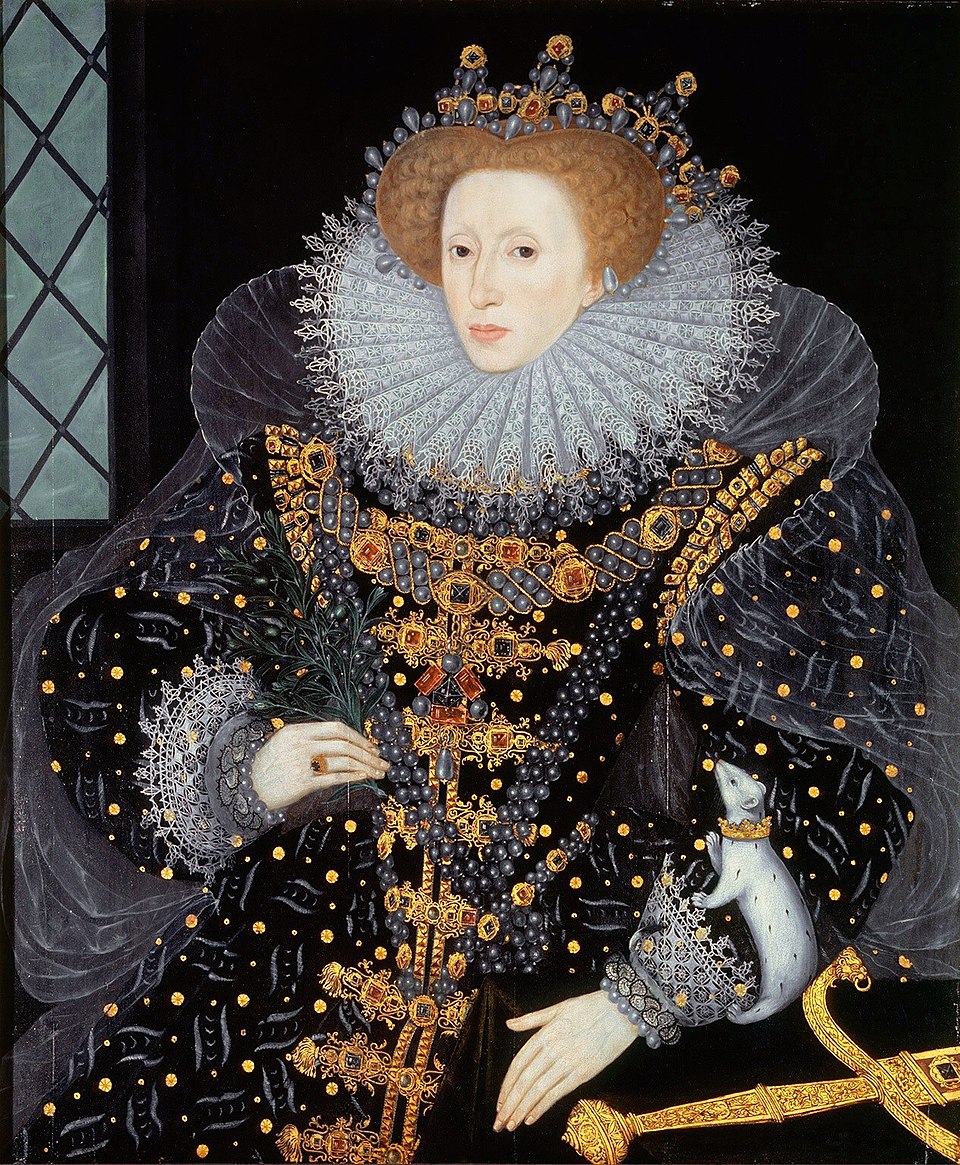
During the Renaissance, tights underwent a complete transformation, becoming a canvas for intricate embroidery and luxurious fabrics. From this point on, not only men but also noblewomen began adorning their legs with tights woven from silk and wool. This marked the moment when tights finally ceased to be merely practical or warming garments and emerged as a true fashion statement.
Notably, Queen Elizabeth I was among the first noblewomen to wear tights. Their growing popularity was further boosted by the invention of the knitting machine in 1589. This innovation made it possible to produce tights up to six times faster than the time-consuming method of hand knitting.
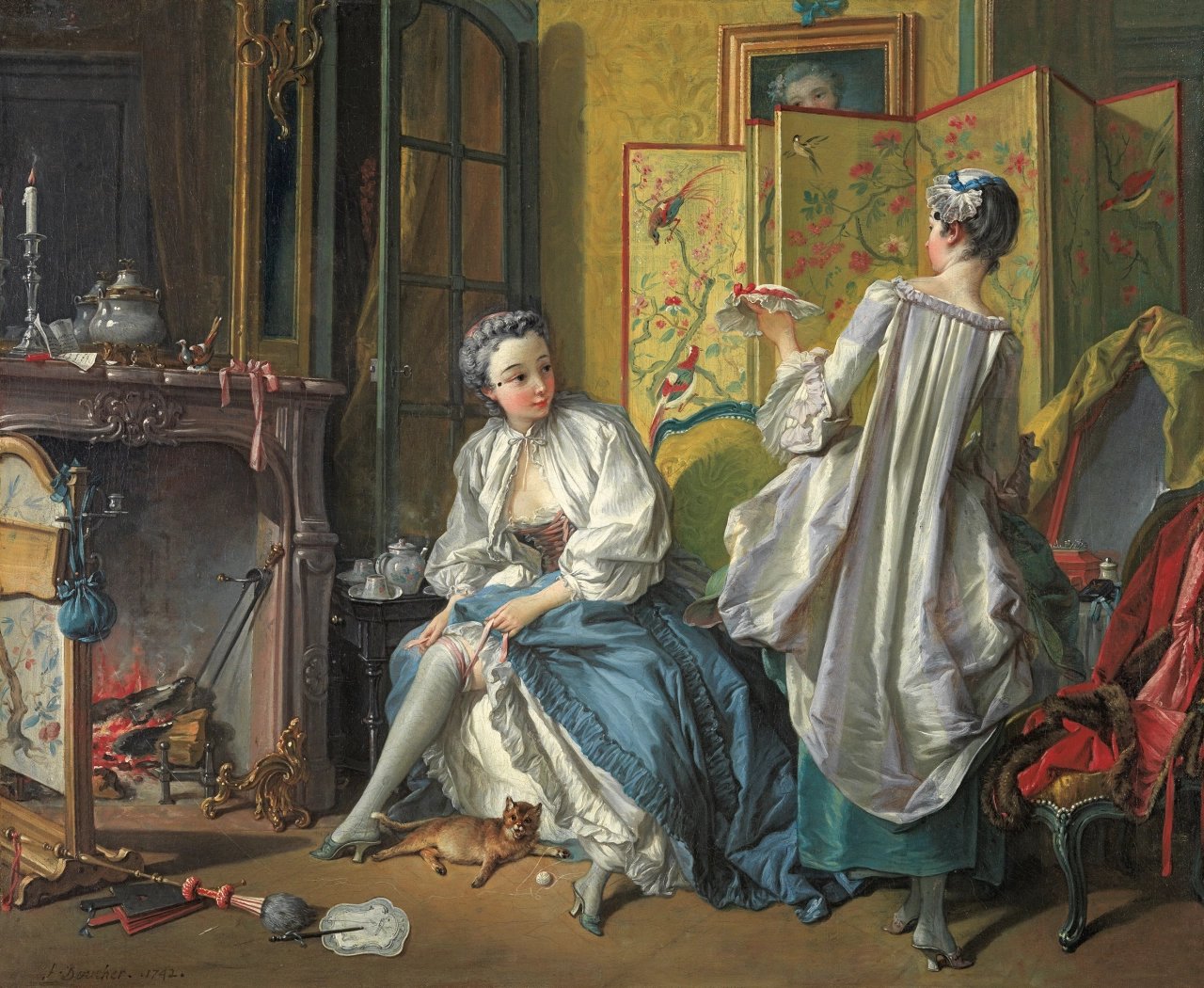
The “Feminisation” of the Industrial Revolution
At the dawn of the Industrial Revolution, as long trousers became standard attire for men, attitudes towards stockings changed dramatically. They came to be viewed almost exclusively as women’s garments. Advances in industrial technology enabled mass production, making stockings far more accessible across all social classes.
When Tights Returned to the Spotlight
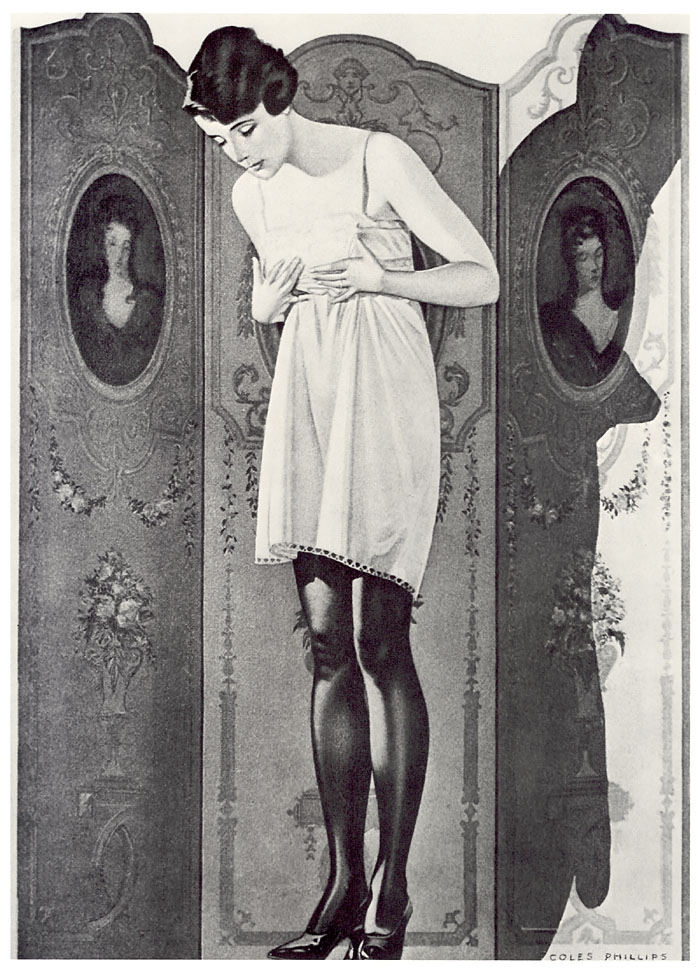
After the First World War, the flappers — free-spirited, fashion-forward young women — cut their hair short, smoked in public, and raised their skirts to above the knee. These changes were initially considered scandalous, but they quickly evolved into a widespread trend.
As a result, showing tights became fashionable. Silk and the newly introduced viscose emerged as the preferred materials, offering a smooth, glossy finish. Tights of this era were often adorned with decorative details such as seams, embroidery, and lace tops, turning them into a central element of the outfit. Flesh-coloured tights also gained popularity, creating the illusion of bare legs.
The growing demand for fashionable tights led to increased production and commercialisation. Advertisements and magazines began actively promoting them, highlighting their essential role in the modern woman’s wardrobe.
The Nylon Revolution and Wartime Shortages
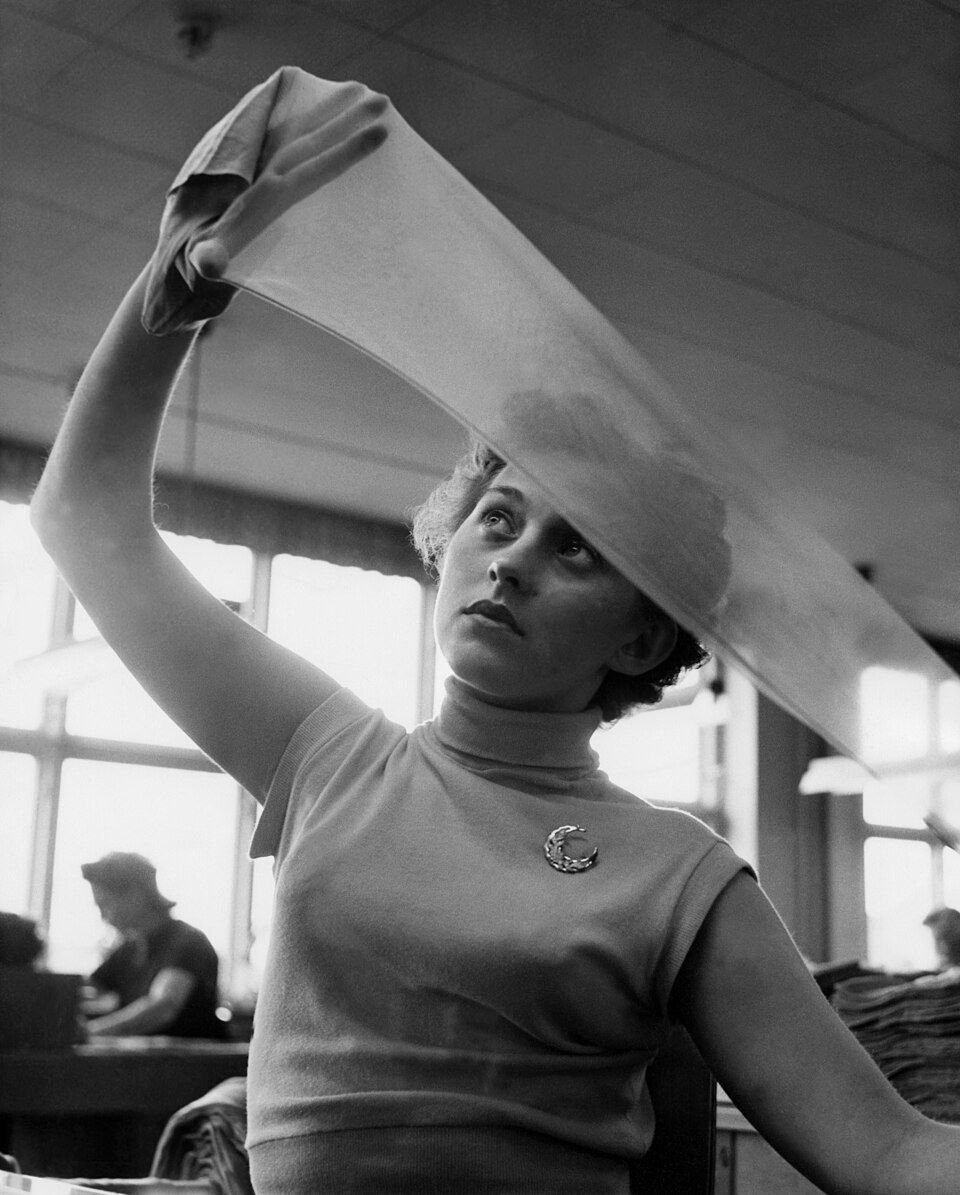
In the 20th century, the world of tights experienced another major revolution with the invention of nylon. This synthetic fibre was developed by the DuPont company in the 1930s. Nylon offered several advantages over traditional silk: it was more affordable, more durable, and sheer.
However, during the Second World War, nylon production was redirected to military needs, causing tights to be rationed. Due to their scarcity, many women resorted to creative solutions — drawing lines along the backs of their legs to imitate the appearance of seams.
From Pin-Up Icons to the Present Day
During and after the war, pin-up girls played a major role in popularising tights even further. They openly showcased their sculpted legs in tights, inspiring countless women to embrace the look.
As tights increasingly came to be perceived as a more seductive garment, lingerie brands began complementing them with additional intimate apparel. This is precisely why tights are still sometimes associated exclusively with bedroom wear.
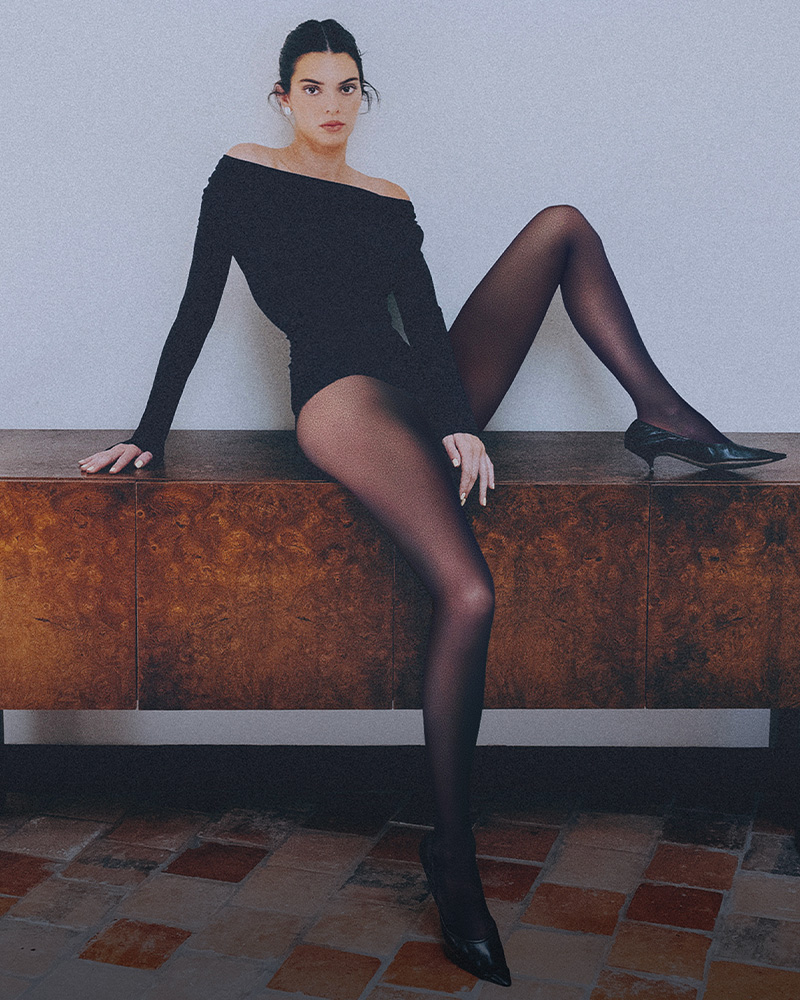
Today, tights continue to hold their place thanks to technological innovation. The 21st century introduced body-shaping, self-supporting, and massage-effect tights, while fashion trends have once again brought sheer and patterned styles back into the spotlight. As a result, tights remain a versatile and essential accessory.
For global stars such as Hailey Bieber, Kendall Jenner, Bella Hadid, and many others, what lies beneath their outfit is just as important as what is seen. The Italian brand Calzedonia has become a go-to choice for A-list stylists, thanks to its wide range of colours and patterns and its impeccable fit. Taylor Swift, Sabrina Carpenter, and many other performers also frequently incorporate tights into their stage looks.